


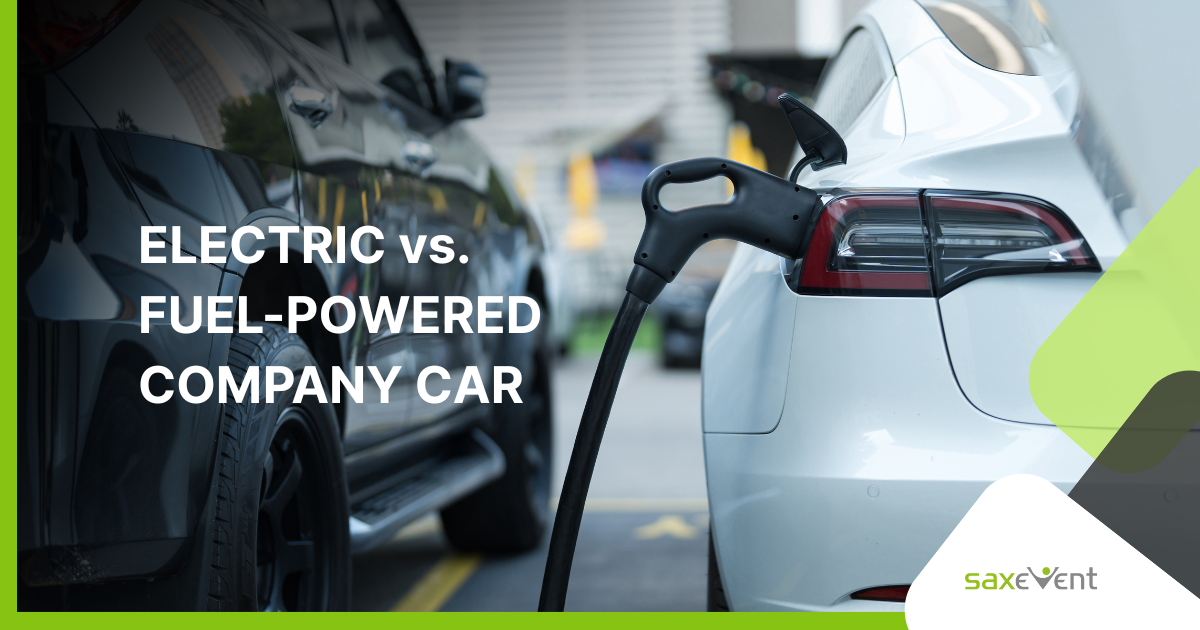
Which is better for your company car in sales: an electric car or one with a combustion engine?
As a personnel service agency with our own field service, we are faced with this very question. And what are the advantages and disadvantages of both options? One of the most important aspects of a company car is reliability. Nothing can hold back a sales executive more than a car with issues. An electric motor has a very high mileage and requires minimal maintenance. Additionally, it runs extremely quietly, causing no disturbing noise in the surroundings. Electric cars are energy-efficient, as they can cover longer distances with less fuel. However, it also has its downsides: the battery capacity is only enough for limited distances, and there aren’t many charging stations available on the market yet.
E-Car
-
Environmental Impact: Electric cars produce no emissions while driving, making them a more environmentally friendly alternative to traditional gasoline or diesel vehicles. As a company car, businesses can improve their carbon footprint and contribute to environmental protection.
-
Cost Savings: Electric cars typically have lower operating costs than conventional cars. They are often cheaper to maintain and repair, and there are often government subsidies or perks available for parking and charging infrastructure.
-
Tax Benefits: Electric cars as company vehicles offer tax benefits in many countries, such as lower tax rates or tax discounts. The private use of an electric company car may also be tax-advantaged.
-
Image and Attractiveness: By adopting electric vehicles as company cars, businesses can enhance their image as environmentally conscious and modern organizations, earning favor with both employees and customers. It also helps in recruitment.
Combustion Engine Car
-
Fuel Efficiency: Diesel cars typically have higher mileage than gasoline or electric cars, meaning they can drive longer on a single tank. This can lead to lower overall fuel costs and make them a cost-effective option for company cars.
-
Performance: Diesel cars generally offer higher torque than gasoline cars, meaning they can pull better and provide more power at lower RPMs. This is especially beneficial for long trips and highways.
-
Durability: Diesel cars are known for being robust and durable. Their engines and components require less maintenance due to their construction and the use of oil instead of gasoline, which can lead to less effort and cost savings.
-
Tax Benefits: Diesel vehicles have specific tax advantages in many countries, such as reduced vehicle taxes or deductions for operating costs. This can help keep the overall cost of the vehicle low and make it a cost-effective choice for companies.
The decision between an electric car or a diesel car is highly individual. What’s right for one company or employee depends on personal preferences just as much as the budget.
How would you decide? And why?
Electric Car #Diesel Engine #CompanyCar